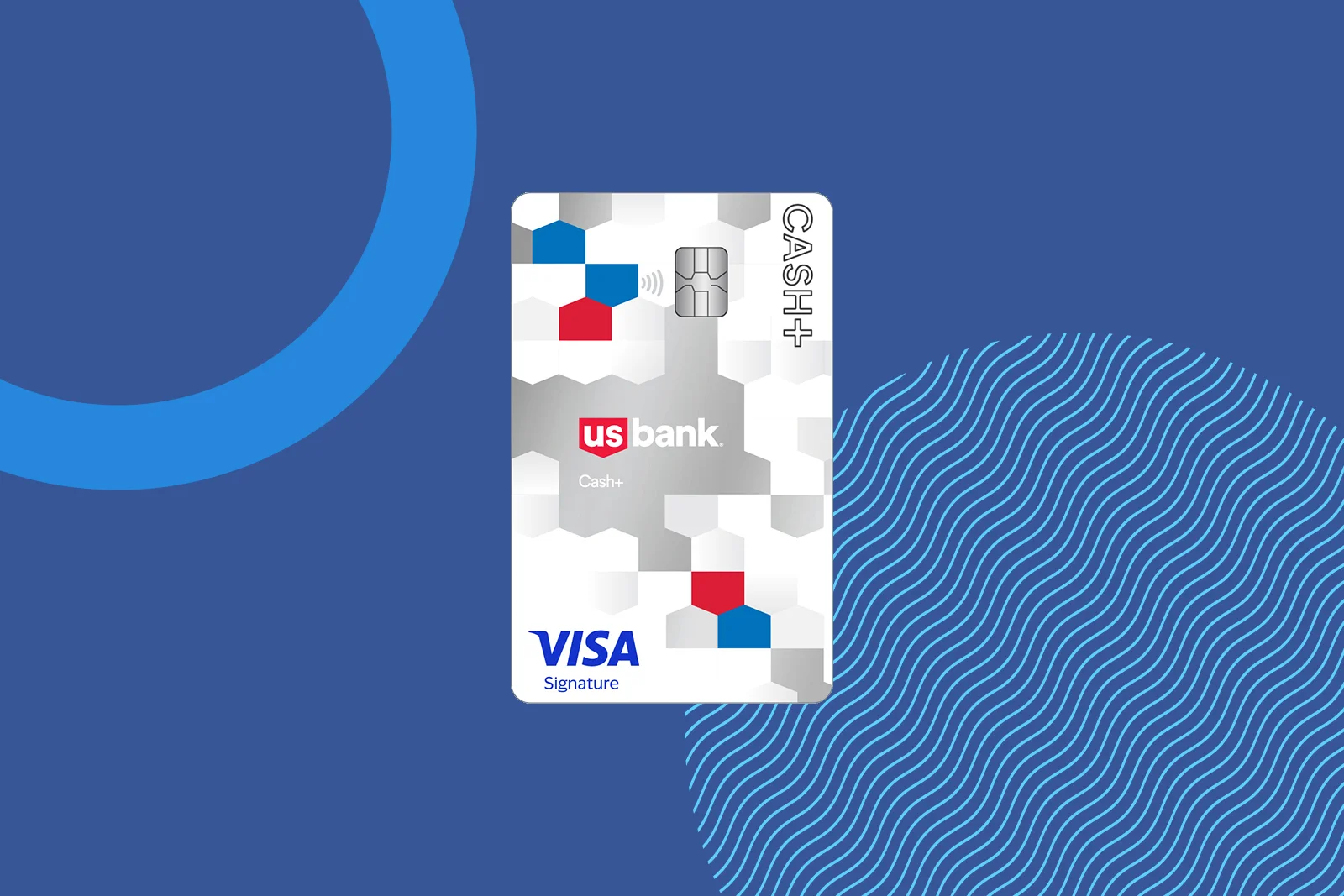
Credit Cards for Students: Building a Credit History from Youth
The Importance of Credit Management for Young Adults
Mastering the nuances of credit management is imperative for young adults, particularly those embarking on academic journeys. Establishing a credit history early can yield significant benefits over time, such as increased access to loans, favorable interest rates, and enhanced rental opportunities. One effective way to initiate this process is by exploring credit cards specifically designed for students, which can help individuals start their financial journeys on a solid foundation.
Key Benefits of Obtaining a Student Credit Card
Securing a credit card during college years can provide several essential advantages that contribute to long-term financial health. Here are some critical benefits:
- Building Credit History: The primary advantage of a student credit card is the opportunity to establish a credit report. Responsible credit card usage—like making timely payments and keeping balances low—contributes positively to a credit score. A solid credit history is essential, as it plays a crucial role in future financial decisions, including applying for car loans or mortgages.
- Financial Responsibility: A credit card serves as a practical tool for students to cultivate essential budgeting skills. By tracking expenditures and adhering to a budget, students can develop responsible spending habits. For instance, using a credit card to manage monthly expenses like textbooks, groceries, and transportation can provide insight into their financial patterns, fostering an understanding of how to live within their means.
- Rewards Programs: Many student credit cards come with attractive rewards programs. These may include cash back on certain purchases, points redeemable for travel or gift cards, or discounts with partnered retailers. For example, a student might earn 1.5% cash back on every purchase, helping them save money on future expenditures or reduce the cost of travel during breaks.
Furthermore, having a credit card provides a safety net in case of emergencies—such as unexpected car repairs or medical expenses—offering reassurance during the transitional phase of achieving financial independence. However, it is vital for students to grasp the responsibilities attached to credit use. Mismanagement of credit can lead to high-interest debt, which can hinder financial progress and damage credit scores.
Best Practices for Credit Management
In this article, we will delve deeper into the key features of student credit cards and provide practical tips for effectively managing credit. This knowledge will empower young adults to build a robust financial foundation, establish good credit habits, and navigate their financial futures with confidence. By understanding the importance of credit and the responsible practices associated with its use, students can set themselves up for success as they transition into adulthood.
DISCOVER MORE: Click here to dive deeper
Understanding Student Credit Cards
Student credit cards are specifically designed for individuals who are new to credit, often targeting college students who may have limited or no credit histories. These cards typically offer lower credit limits and more lenient approval criteria, making them more accessible to young adults. Understanding the specific features of student credit cards can help students make informed decisions about which card aligns with their financial goals.
Key Features of Student Credit Cards
When evaluating student credit cards, there are several important features to consider. Here are some essential elements that should guide students in selecting a card:
- No Annual Fees: Many student credit cards do not charge annual fees, which is beneficial for students with limited budgets. Opting for a no-fee card allows students to utilize credit without the burden of additional costs.
- Lower Interest Rates: Student credit cards often come with reduced interest rates compared to regular credit cards. While it is crucial for students to pay off their balances in full to avoid interest, having a lower rate can mitigate the cost in case they carry a balance temporarily.
- Rewards and Bonuses: Some cards offer attractive rewards programs, such as cash back on purchases or points that can be redeemed for gift cards. These rewards can be especially enticing for students who are looking to maximize their spending while managing their budgets effectively.
- Credit Education Resources: Many student credit cards provide access to educational resources that help users understand credit management. These resources may include tools for tracking spending, free credit score access, and advice on building a strong credit profile, making it easier for students to learn about personal finance.
Before applying for a student credit card, it is vital for students to assess their financial situation and determine how much they can responsibly spend and pay back each month. By setting a budget and committing to timely payments, students can utilize credit cards as powerful tools for building their credit history while also reaping financial benefits.
Applying for a Student Credit Card
Applying for a student credit card typically requires minimal documentation, as most banks and financial institutions recognize the unique position of students. A government-issued ID, Social Security number, and proof of enrollment in an educational institution are commonly required. However, students should be prepared to demonstrate some form of income—whether from part-time jobs, internships, or even financial support from family members—as creditors look for assurance that the cardholder can repay borrowed funds.
In conclusion, student credit cards serve as a vital step for young adults in their journey toward financial literacy and independence. By understanding the features, benefits, and responsibilities associated with these financial tools, students can make informed choices that support their long-term financial well-being.
DIVE DEEPER: Click here to discover the power of nature in your meditation
Managing Student Credit Cards Wisely
Once students acquire a credit card, the next crucial step is understanding how to manage it responsibly. Proper management of credit cards not only enhances one’s credit score but also builds a reliable financial background for future endeavors, such as applying for loans or mortgages. Here are several strategies students can employ to manage their credit cards effectively:
Establishing a Payment Routine
Students should establish a consistent payment routine. Setting reminders for payment due dates can prevent late fees and help avoid interest charges. Paying the balance in full each month is ideal, as this will help maintain a good credit score and ensure that the student does not accrue debt unnecessarily. If it is not possible to pay off the total balance, making at least the minimum payment on time can still contribute positively to their credit score.
Monitoring Credit Utilization
Another important factor in credit management is maintaining a low credit utilization ratio, which is the amount of credit used compared to the total credit limit available. Financial experts generally recommend keeping this ratio below 30%. For instance, if a student has a credit limit of $1,000, they should aim to use no more than $300 of that limit. Keeping credit utilization low helps demonstrate that the student is responsible with credit, thus positively impacting their credit score.
Utilizing Rewards Wisely
If a student credit card offers rewards, it is wise for students to utilize these benefits tactfully. By focusing on routine expenses—such as groceries, textbooks, or gas—students can earn rewards without resorting to unnecessary purchases. Tracking these expenses can help students stay within budget while maximizing their rewards, leading to potential savings or cash back over time.
Building a Strong Credit Profile
In addition to prudent spending and timely payments, a student can build a strong credit profile by ensuring that they monitor their credit report regularly. They can obtain a free credit report from each of the three major credit bureaus—Equifax, Experian, and TransUnion—once a year through AnnualCreditReport.com. Reviewing these reports helps identify any inaccuracies or fraudulent activities that may need to be addressed. Monitoring one’s credit score can also provide insights into how different financial behaviors impact creditworthiness.
Limit the Number of Applications
A common pitfall among young credit users is applying for multiple credit cards in a short span of time. Each application triggers a hard inquiry on the individual’s credit report, which can temporarily lower the credit score. It is advisable for students to limit credit card applications and research options thoroughly before applying to ensure they select a card best suited for their needs.
Ultimately, establishing a solid foundation with responsible credit card management can lead to a positive credit history, advantageous terms on future loans, and increased financial freedom down the line. By adopting these practices early, students can pave the way for a bright financial future.
DIVE DEEPER: Click here to enhance your focus and calm
Conclusion
In conclusion, credit cards can serve as a valuable tool for students seeking to establish a credit history from a young age. As highlighted throughout this article, developing responsible credit card management habits is essential to achieving financial success in the future. By establishing a payment routine, monitoring credit utilization, and wisely utilizing rewards, students can effectively build a positive credit profile that will benefit them when they enter the housing market or seek financing for larger purchases.
Moreover, consistent monitoring of credit reports to identify potential issues and limiting the number of credit applications are best practices that contribute to a healthy credit rating. Educating oneself about credit scores and their implications can empower students to make informed decisions, ensuring they avoid common pitfalls associated with credit misuse.
As young adults embark on their financial journeys, it is crucial they understand that establishing a solid credit history is not only about using credit wisely but also about maintaining discipline and awareness regarding their financial activities. By taking these steps now, students can lay the groundwork for a financially stable future, replete with opportunities that come from a strong credit history. Ultimately, mastering responsible credit card use during these formative years can lead to greater financial freedom and security throughout their lives.