How Contactless Payment Technology is Transforming the Use of Credit Cards
The Transformative Impact of Contactless Payment Technology
The evolution of payment techniques is significantly impacting consumer behavior, particularly with the integration of contactless payment technology. This method is rapidly changing how consumers interact with their financial resources, allowing for a faster, more intuitive, and secure mode of payment. As the economy increasingly moves toward digital solutions, it is essential to grasp the implications of this shift for both consumers and businesses alike.
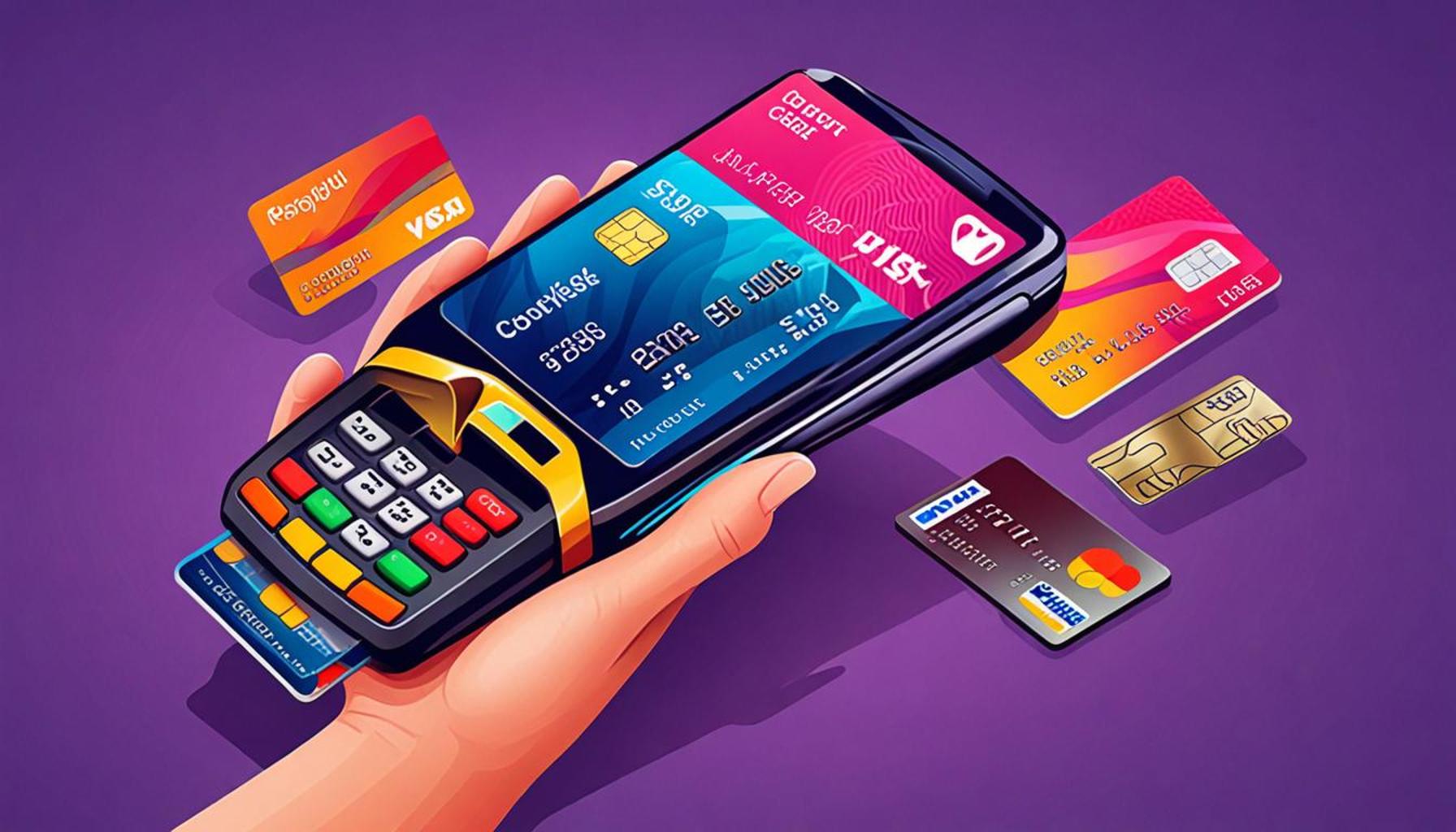
One of the predominant aspects of contactless payment technology is its tap-and-go functionality. By leveraging Near Field Communication (NFC), users can effortlessly complete transactions by simply tapping their card or mobile device on a compatible terminal. This system significantly reduces the time spent at checkout, often completing transactions in less than a second. For example, during peak shopping hours, this quick process alleviates long lines, enhancing the overall shopping experience for consumers, while concurrently benefiting retailers by improving throughput.
In addition to speed, enhanced security features are a hallmark of contactless payments. Unlike traditional magnetic stripe cards, which can be easily compromised, contactless payments harness the power of encryption and tokenization. This means that sensitive information is not transmitted during transactions; instead, unique transaction codes are generated for each purchase. As a result, contactless payments are inherently more secure, significantly reducing the potential for fraud and identity theft, which is a pressing concern for many consumers in today’s digital age.
The accessibility of contactless payment solutions is further evidenced by their wide acceptance. Numerous major retailers, grocery chains, and restaurants across the United States have adopted contactless payment technologies, giving consumers ample opportunities to utilize this method. According to recent data, more than 40% of consumers in the U.S. have engaged in contactless transactions, indicating a robust trend towards adopting this technology. This shift aligns with the broader consumer demand for convenience and efficiency in purchasing behaviors.
As the landscape of credit card usage adapts to these advances, it is crucial for both consumers and businesses to remain informed about the implications of contactless payment systems. The transformative nature of this technology not only enhances the likelihood of quicker transactions but also plays a pivotal role in shaping a more secure transactional environment. Therefore, embracing these innovations represents a forward-thinking approach to credit management and consumer engagement, ultimately setting the stage for the future of financial transactions.
DISCOVER MORE: Click here to dive deeper
Redefining Convenience: The Shift to Contactless Payments
The advent of contactless payment technology represents a significant evolution in how consumers utilize credit cards. This shift is marked by several advantages that blend convenience with efficiency, ultimately redefining the shopping experience. As consumers seek faster and more user-friendly payment options, the uptake of contactless payments is not merely a trend but a transformation in payment behavior.
One of the most notable benefits of contactless payment technology is its streamlined process. Traditional card payments often involve swiping, inserting, or entering a PIN, which can be time-consuming, especially during peak shopping periods. In contrast, contactless payments allow users to complete transactions in a fraction of the time. According to industry studies, transactions made using contactless technology can be completed approximately three times faster than those made using traditional methods. This efficiency is particularly advantageous in high-traffic environments such as grocery stores, fast-food outlets, and public transportation systems, where speed is essential.
Furthermore, the contactless payment system reduces friction in the purchasing process, enhancing customer satisfaction. As consumers grow accustomed to the convenience of simply tapping their payment methods, they are less likely to return to slower payment options. Retailers that embrace contactless technology not only improve the consumer experience but may also witness increased sales, as rapid transactions encourage spontaneous purchases.
- Enhanced speed: Fast transactions lead to shorter wait times at checkout, improving customer flow.
- Ease of use: The tap-and-go nature of contactless payments simplifies the transaction process.
- Increased satisfaction: Consumers appreciate the convenience, often leading to brand loyalty.
An additional aspect of contactless payment technology is its impact on consumer spending habits. Studies indicate that consumers tend to spend more when using contactless cards compared to traditional methods. The psychological barrier of parting with cash or entering a PIN is minimized, as the act of tapping can feel less daunting. Consequently, this can lead to higher average transaction amounts. Retailers are increasingly recognizing this shift, and many are adapting their sales strategies to capitalize on the potential for increased customer spending.
Moreover, with the ongoing transformation in consumer expectations toward technology, contactless payments are becoming synonymous with modern and hassle-free transactions. The pandemic accelerated this trend, as health concerns prompted consumers to seek out methods that reduce physical contact. As a result, the contactless payment landscape is expanding, with many banks and fintech companies rolling out new features that leverage this technology.
In summary, contactless payment technology is actively reshaping how consumers interact with credit cards, introducing unprecedented convenience and efficiency while driving changes in consumer spending behavior. As the adoption of this technology continues to grow, understanding its implications will be essential for consumers, businesses, and the broader financial ecosystem.
DISCOVER MORE: Click here to enhance your emotional wellness
Transforming Security: The Advancements in Fraud Prevention
As contactless payment technology evolves, so too does the emphasis on enhancing security. With the increasing reliance on digital transactions, the risk of fraud has heightened, prompting financial institutions and payment processors to implement robust security measures. Contactless payments utilize advanced encryption methods that significantly bolster protection against unauthorized transactions.
One fundamental security feature inherent in contactless payments is tokenization. This process replaces sensitive credit card information with a unique identifier or “token” that cannot be traced back to the actual card data. By doing so, merchants and payment processors mitigate the impact of data breaches, as the information transmitted during a transaction does not contain the original card number. This innovative approach is crucial, especially in an age where data breaches have become increasingly common.
Moreover, contactless payment systems often incorporate multiple layers of authentication. For instance, many issuers require the use of biometric options such as fingerprint recognition or facial recognition to authorize transactions. This dual-layer authentication not only boosts security but also provides additional peace of mind for consumers who may be hesitant to transition from traditional payment methods.
The speed and convenience of contactless payments do not compromise security; rather, they are designed to coexist seamlessly. Research from the Federal Reserve indicates that the fraud rate for contactless transactions remains significantly lower than for traditional magnetic stripe payments. This statistic is encouraging for both consumers and merchants as it demonstrates that adopting contactless technology does not inherently expose them to greater risks.
Driving Financial Inclusion: Access for All
Contactless payment technology also plays a transformative role in promoting financial inclusion. As more people across diverse demographics embrace digital payments, opportunities for economic participation expand. For instance, consumers without access to traditional banking services can utilize prepaid contactless cards, which allow them to engage in digital transactions without needing a bank account.
Additionally, the proliferation of mobile wallets has made it easier for individuals in underserved communities to participate in the digital economy. These wallets, often linked to contactless payment technology, can connect consumers directly to their funds or earnings, mitigating the reliance on cash. According to a 2022 report by the Consumer Financial Protection Bureau, the use of mobile payments has increased by more than 65% among lower-income households, reflecting a shift toward digital solutions that meet their unique needs.
This accessibility extends beyond individual consumers; small businesses and merchants also benefit from adopting contactless payment options. By integrating contactless systems, smaller enterprises can lower barriers to entry for payment acceptance and reach a broader customer base. This trend fosters a more inclusive marketplace, where consumers from all backgrounds can easily access goods and services.
In summary, the profound advancements in security measures and an emphasis on financial inclusion highlight just how contactless payment technology is influencing the landscape of credit card usage. As the technology continues to develop, its benefits are reaching a wider audience, paving the way for a more secure and accessible payment ecosystem.
DISCOVER MORE: Click here to learn about self-acceptance through bath meditation</a
Conclusion
In conclusion, the emergence of contactless payment technology is revolutionizing the way consumers utilize credit cards by championing an era of speed, security, and inclusivity. As highlighted throughout this article, the adoption of contactless payments offers significant advantages for both consumers and merchants, enhancing the overall payment experience. The integration of advanced security measures such as tokenization and biometric authentication effectively tackles the growing concerns of fraud, thereby fostering a safe environment for digital transactions.
Furthermore, the role of contactless technology in promoting financial inclusion cannot be overstated. By facilitating access to digital payment solutions for traditionally underserved communities, contactless systems are opening new avenues for economic engagement. The rise of mobile payment platforms has further amplified this effect, empowering individuals from varying socioeconomic backgrounds to participate in the digital economy.
As the landscape of financial transactions continues to evolve, merchants, consumers, and financial institutions must adapt to the digitized environment that contactless payments represent. With the continuous advancements in technology and security protocols, we can anticipate a future where credit cards and payment systems not only coexist but complement each other towards achieving a more efficient and inclusive financial ecosystem. It is crucial for stakeholders to recognize the ongoing changes and remain proactive in adapting to these innovations to fully harness the benefits they provide.

Linda Carter
Linda Carter is a writer and financial expert specializing in personal finance and financial planning. With extensive experience helping individuals achieve financial stability and make informed decisions, Linda shares her knowledge on our platform. Her goal is to empower readers with practical advice and strategies for financial success.