Credit Cards and Security: Tips to Protect Your Finances in a Digital World
The Importance of Credit Card Security
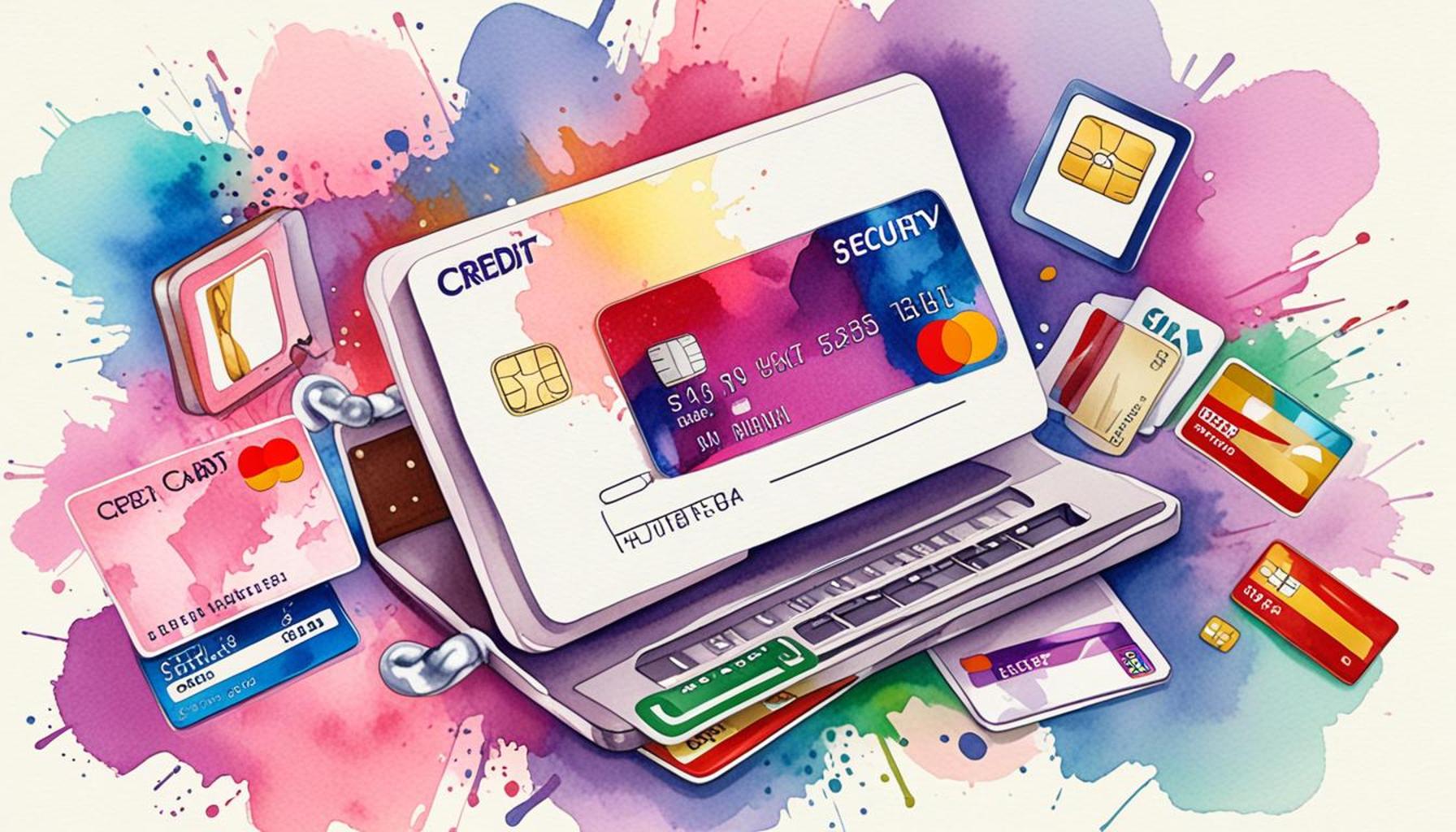
In the modern era, where e-commerce dominates the retail landscape, consumers must prioritize **credit card security**. The convenience of online shopping comes with significant risks, as cybercriminals become more sophisticated in their strategies to exploit individuals’ financial information. Keeping abreast of potential threats is essential for every consumer who utilizes credit cards, whether for purchasing goods online or in-store.
Common Threats to Credit Card Security
Understanding the various threats can empower consumers to take proactive measures. Below are some prevalent risks that warrant attention:
- Phishing Scams: Phishing remains a highly effective tactic employed by cybercriminals. Typically, these scams manifest as fraudulent emails or messages that impersonate legitimate companies, such as banks or payment processors. These messages often urge recipients to click on a link that leads to a fake website designed to capture sensitive information, such as credit card numbers and passwords. A notable example of a phishing tactic involves a fake email from a popular retailer claiming that a recent purchase requires verification.
- Data Breaches: Data breaches represent a major concern for consumers, as they involve unauthorized access to sensitive information stored within a company’s database. High-profile incidents, such as the Target data breach in 2013, compromised millions of credit card details. In many cases, personal information, including names, addresses, and phone numbers, was also exposed, highlighting the importance of monitoring accounts regularly for unauthorized transactions.
- Skimming Devices: Skimming refers to the illegal copying of credit card data through hardware that is discreetly attached to legitimate card readers, such as ATMs or gas pumps. Thieves often employ these devices to collect card information without the consent of the user. Consumers should be vigilant, inspecting ATMs and gas pumps for any unfamiliar or overtly attached devices before inserting their cards, as their use is a growing concern across the United States.
Effective Strategies for Enhancing Credit Card Security
A proactive, informed approach is vital for maintaining financial security. Here are actionable tips to help consumers safeguard their credit card information:
- Use Strong Passwords: Utilize complex passwords that combine letters, numbers, and symbols for online banking accounts and e-commerce sites. Regularly updating these passwords is crucial to reducing the likelihood of unauthorized access.
- Monitor Your Statements: Regularly reviewing bank and credit card statements for any unauthorized charges can help consumers identify potential fraud early. Setting up transaction alerts can also provide real-time notifications of any activity on accounts.
- Utilize Two-Factor Authentication (2FA): Whenever possible, enable 2FA for online accounts. This additional security layer ensures that even if a password is compromised, unauthorized access to accounts is more challenging.
- Be Wary of Public Wi-Fi: Avoid accessing sensitive financial information over public Wi-Fi networks, as these connections can often be insecure. Utilizing a Virtual Private Network (VPN) can enhance security when necessary.
By implementing these strategies, consumers can significantly enhance their credit card security and enjoy the benefits of digital transactions with greater confidence. Today’s online landscape demands vigilance and proactive measures to protect financial assets from potential threats.
DISCOVER MORE: Click here for relaxation techniques
Understanding the Risks: Credit Card Vulnerabilities in a Digital Landscape
As technology continues to evolve, so do the tactics employed by cybercriminals to exploit vulnerabilities in credit card use. Recognizing these vulnerabilities is crucial for consumers who wish to stay ahead of potential threats. Below are key insights into the most common risks associated with credit card usage in a digital environment:
Cyber Attacks and Their Implications
The rise of digital transactions has brought about increased exposure to various forms of cyber attacks. Among the most prominent are:
- Malware: Malware refers to malicious software designed to infiltrate and compromise the security of devices. Cybercriminals can utilize malware to capture keystrokes, enabling them to steal login credentials and credit card information. Keeping devices protected with updated antivirus software is essential in mitigating this threat.
- Card Not Present (CNP) Fraud: This type of fraud occurs in online transactions where the physical card is not presented at the point of sale. CNP fraud has surged as e-commerce has grown, making it imperative for consumers to safeguard their card information during online purchases.
- Account Takeover Attempts: This involves a fraudster gaining access to a victim’s online account, often by using previously compromised credentials. Once access is obtained, they can change passwords, add unauthorized transactions, or even order new cards. Consumers must remain vigilant and utilize unique passwords across different accounts to reduce the risk of such breaches.
Proactive Measures to Combat Potential Risks
A proactive approach can significantly enhance credit card security against these vulnerabilities. Implementing certain strategies will help consumers protect their finances effectively:
- Opt for Credit Monitoring Services: These services can alert consumers to unusual activity on their accounts. Many banks and financial institutions offer alerts if there are significant changes to account status or unusual spending patterns, which fosters early detection of potential fraud.
- Secure Your Devices: Ensure that all devices used for banking and online shopping are secured with updated operating systems and security software. Regular system updates can eliminate vulnerabilities that cybercriminals might exploit.
- Consider Virtual Credit Card Numbers: Some banks and financial institutions offer virtual credit card numbers linked to your actual account. These temporary numbers can be used for online purchases and limit exposure by preventing the need to enter the primary credit card number on multiple sites.
- Educate Yourself About Current Scams: Staying informed about the latest scams and security threats can empower consumers to spot phishing attempts and other fraudulent activities quickly. Regular research and following updates from reputable financial sources can provide valuable insights.
By employing these preventive strategies, consumers can create a more secure environment for their credit card usage and remain vigilant against the evolving landscape of cyber threats. Confidence in financial dealings is achievable when informed choices and protective measures are consistently applied.
DISCOVER MORE: Click here to deepen your meditation journey
Strengthening Personal Security Measures
While understanding risk is fundamental, adopting proactive personal security measures is essential for safeguarding credit card information. Here are several strategies that consumers can implement to fortify their defenses against potential threats:
Utilizing Strong Password Practices
One of the simplest yet most effective methods to enhance security is establishing strong password practices. A strong password should be complex, combining uppercase letters, lowercase letters, numbers, and special characters. It is recommended that consumers adhere to the following guidelines:
- Unique Passwords for Each Account: Using different passwords for various accounts can prevent a single breach from compromising multiple accounts. This is particularly crucial for online banking and e-commerce websites.
- Password Managers: These tools can assist users in generating and storing complex passwords securely. By centralizing password management, consumers can avoid the temptation to use easy-to-remember passwords or reuse them across important accounts.
- Periodic Password Updates: Regularly changing passwords—ideally every 3 to 6 months—can mitigate risks associated with long-term exposure of credentials. This practice is especially crucial for financial accounts, which often contain sensitive information.
Two-Factor Authentication (2FA) Adoption
Another vital layer of protection against unauthorized access is the implementation of Two-Factor Authentication. This additional security measure requires a second form of verification, often a temporary code sent to a mobile device, in addition to the password when accessing accounts. Adopting 2FA can drastically reduce the chances of account takeovers by requiring multiple forms of identification before granting access to sensitive data.
Be Wary of Public Wi-Fi
Public Wi-Fi networks, while convenient, are often fraught with security risks. Cybercriminals frequently use unsecured networks to intercept data transmitted online, including sensitive credit card information. Consider the following precautions when connecting to public Wi-Fi:
- Avoid Financial Transactions: Refrain from accessing banking sites or entering credit card information when connected to public Wi-Fi.
- Use a Virtual Private Network (VPN): VPNs encrypt internet traffic, providing a secure tunnel for data transmission. This greatly enhances security when using public networks.
- Turn Off Wi-Fi When Not in Use: Disabling Wi-Fi on mobile devices when not in use can protect against potential connection to unsecured networks automatically.
Regularly Reviewing Credit Card Statements
Scrutinizing credit card statements is crucial for early detection of unauthorized transactions. Consumers should make a habit of reviewing their statements regularly for suspicious activity. Key considerations include:
- Prompt Reporting of Discrepancies: Should any unauthorized transaction be identified, it is essential to report it to the card issuer immediately. Most financial institutions have protocols in place to address fraud, often resulting in the restoration of funds.
- Utilization of Account Alerts: Setting up real-time alerts for transactions can help in quickly identifying unusual expenditures. Many banks offer customizable alerts via email or SMS based on spending patterns.
Through these reinforced security measures, consumers can significantly enhance the protection of their credit card credentials and personal financial information against the backdrop of a rapidly evolving digital landscape. Building a strong foundation of security practices is a critical step toward maintaining financial peace of mind.
DISCOVER: Click here to uncover the benefits
Conclusion
In today’s digital age, ensuring the security of credit card information is paramount for every consumer. The rise of online transactions and the increasingly sophisticated methods employed by cybercriminals pose significant challenges to personal financial security. However, by embracing a comprehensive approach to safeguarding personal data, individuals can mitigate these risks effectively.
Implementing strong password practices, such as using unique passwords for each account and leveraging password managers, establishes a robust foundational defense. Furthermore, the adoption of Two-Factor Authentication significantly reinforces account security by necessitating an additional verification step, making unauthorized access far more difficult.
Moreover, exercising caution when using public Wi-Fi and regularly reviewing credit card statements are critical practices that enable consumers to detect and respond to any potential threats swiftly. Remaining proactive by utilizing monitoring tools and alerts can provide another layer of protection, ensuring that any suspicious activity is addressed promptly.
Ultimately, the responsibility of maintaining financial security rests with the consumer. By staying informed and updating their security measures in accordance with evolving trends, individuals can protect their finances and maintain peace of mind in an increasingly interconnected world. As technology continues to advance, integrating these practices into daily life will empower consumers to navigate the digital landscape with confidence and security.